
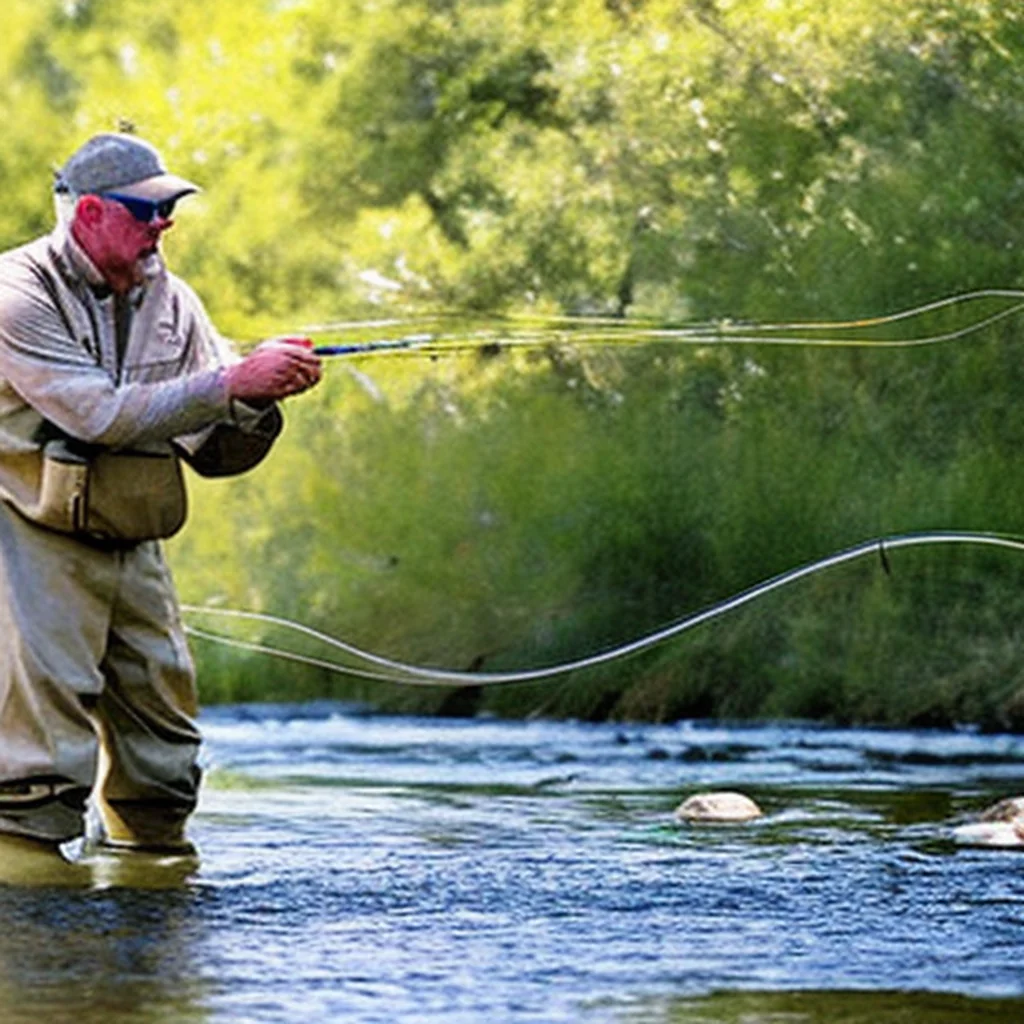
Scott’s passion for fishing is deeply rooted in her childhood. Growing up in a small town in Montana, she learned the art of fishing from her grandfather, a seasoned angler who instilled in her a love for the sport and a respect for the environment. Her grandfather taught her the importance of sustainable fishing practices, emphasizing the need to catch only what you need and release any fish that are too small or injured. Scott’s commitment to conservation extends beyond her personal fishing experiences.
The Blackfoot River, a vital waterway for both wildlife and humans, is facing a severe drought. The river’s low water levels have led to concerns about the future of the river’s ecosystem and the livelihoods of those who depend on it. The drought has also impacted the fishing industry, with fly fishing guides like Scott facing a significant decline in business. The low water levels have made it difficult for anglers to cast their lines and catch fish. The Blackfoot River is a popular destination for fly fishing, attracting tourists and anglers from all over the world.
This shift in fishing practices is a direct response to the effects of climate change, which has led to warmer water temperatures in the area. This warming trend has significantly impacted the fish populations, making them less accessible and more difficult to catch. The changing water temperatures have also impacted the timing of the spawning season for many fish species. This shift in spawning season has further complicated the fishing experience for anglers.
The importance of cold water for trout is well-documented. Trout are cold-water fish, and they thrive in temperatures below 70 degrees Fahrenheit. Trout need cold water to regulate their metabolism, maintain their body temperature, and grow. The decline of cold water habitats is a major threat to trout populations. The warming of rivers and streams due to climate change is a significant contributor to this decline. The effects of climate change on trout populations are multifaceted and complex.
The warming waters are causing a decline in the fish populations. The warming trend is also impacting the northern Rockies’ ecosystems, leading to changes in vegetation and animal populations. The warming trend is a complex issue with multiple contributing factors. The primary driver is the increase in greenhouse gas emissions, which are trapping heat in the atmosphere. The increase in greenhouse gas emissions is primarily driven by human activities, such as the burning of fossil fuels. The burning of fossil fuels releases carbon dioxide, a greenhouse gas, into the atmosphere, which traps heat and contributes to global warming. The warming trend is not just a problem for the northern Rockies; it is a global issue.
The state’s water quality has been declining, and the impacts of climate change are becoming increasingly apparent. **Here’s a breakdown of the challenges facing Montana’s native fish populations:**
* **Water Quality Degradation:** Montana’s rivers and streams are facing increasing pollution from agricultural runoff, urban development, and industrial activities. This pollution can lead to a decline in water quality, making it difficult for native fish to thrive.
This can be challenging, but it’s crucial for the health of the stream. For example, dams and other structures can significantly impact fish movement and survival. Dams, for instance, create barriers that prevent fish from migrating upstream to spawn. This can lead to a decline in the fish population and even extinction. Similarly, culverts and other structures can restrict fish movement, hindering their ability to access food and breeding grounds. These structures, while seemingly beneficial in the past, can now pose significant challenges to fish populations.
“It’s a pretty clear indication that the fish are using the structure that was removed.”
This observation is significant because it suggests that the dam removal has had a positive impact on fish populations. The removal of the dam has created a more natural flow of water, allowing fish to access areas that were previously inaccessible. This has led to an increase in fish populations, particularly in the Rattlesnake Creek.


