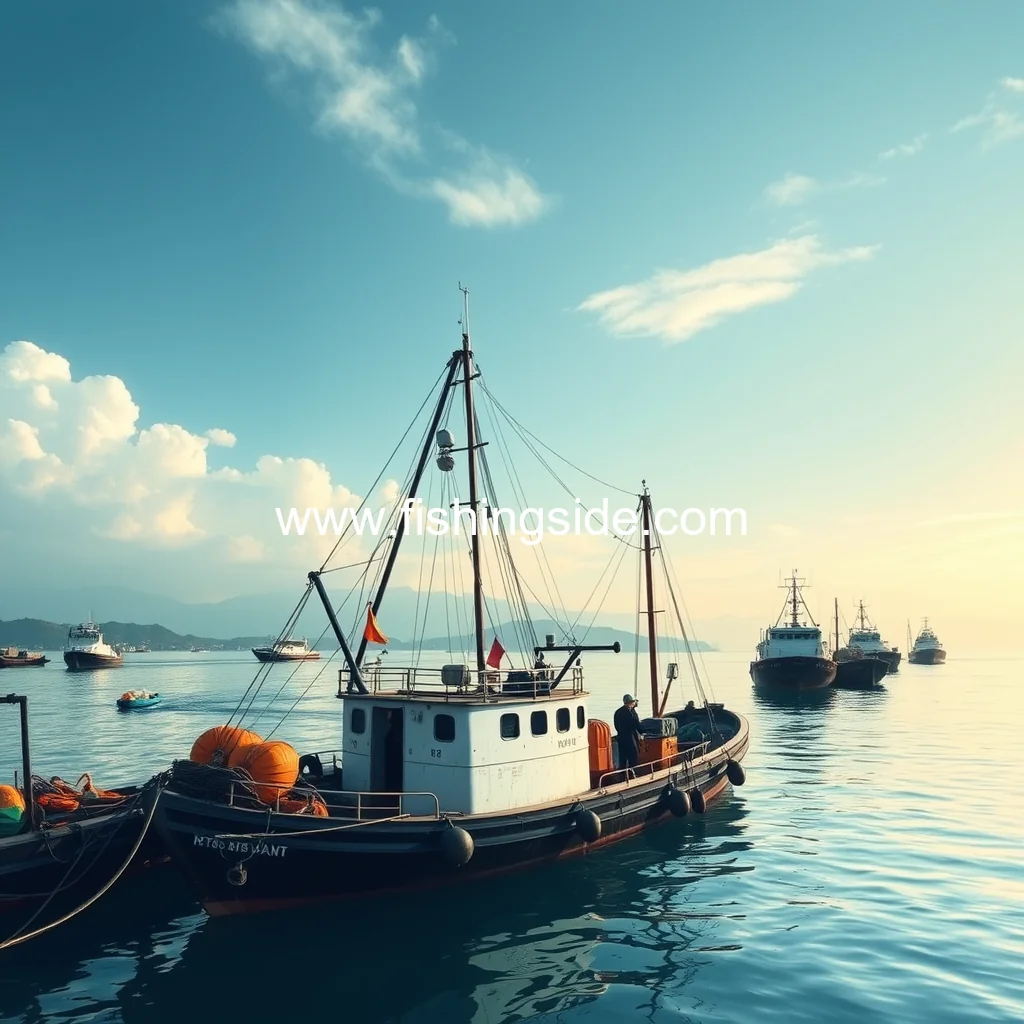
The Rise of Seafood Monitoring in Quang Binh Province
In recent years, the central coastal province of Quang Binh has witnessed a significant increase in seafood monitoring efforts. This trend is largely driven by the growing demand for sustainable seafood and the need to ensure food safety. As a result, the province has implemented various measures to regulate the seafood industry and protect its citizens from potential health risks.
Key Initiatives
Establishment of Registered Points: The province has established a network of registered points where seafood can be monitored and inspected. These points are strategically located throughout the province to ensure that all seafood is handled and sold in a safe and regulated environment. Training and Capacity Building: The province has provided training and capacity-building programs for seafood industry stakeholders, including fishermen, traders, and regulators. These programs aim to enhance the skills and knowledge of industry stakeholders, enabling them to effectively monitor and regulate the seafood industry. Equipment and Resources: The province has allocated equipment and resources to support the monitoring and inspection of seafood. This includes vehicles, equipment, and personnel to ensure that seafood is handled and sold in a safe and regulated environment.
Monitoring the fishing industry requires accurate and up-to-date data to inform policy decisions and enforcement actions.
The Importance of Data Collection
The Border Guard Command’s primary objective is to monitor and control the fishing industry in the region. To achieve this, accurate and up-to-date data is crucial. The collection of logs and reports on seafood exploitation is essential for several reasons:
Tracking fishing activities: By monitoring fishing activities, the Border Guard Command can identify patterns and trends in fishing practices, which can inform policy decisions and enforcement actions. Preventing overfishing: Accurate data on seafood exploitation helps to prevent overfishing and ensure the long-term sustainability of fish populations. Supporting local communities: The collection of data on seafood exploitation can also support local communities by providing them with valuable information on the impact of fishing activities on their livelihoods. ## The Role of the National Fisheries Database Software**
The Role of the National Fisheries Database Software
The national fisheries database software plays a critical role in collecting, storing, and analyzing data on seafood exploitation. The software provides a centralized platform for the Border Guard Command to:
Store and manage data: The software allows the Border Guard Command to store and manage large amounts of data on seafood exploitation, making it easier to track trends and patterns. Analyze data: The software provides advanced analytics capabilities, enabling the Border Guard Command to analyze data and identify areas of concern. Generate reports: The software can generate reports on seafood exploitation, providing the Border Guard Command with valuable insights and information. ## Challenges and Opportunities**
Challenges and Opportunities
While the collection of data on seafood exploitation is crucial, there are several challenges and opportunities that the Border Guard Command must address:
Limited resources: The Border Guard Command may face limited resources, including personnel and equipment, which can hinder the collection of data.
The Quest for Sustainable Seafood
The quest for sustainable seafood is a pressing issue that affects not only the environment but also the livelihoods of millions of people worldwide. The seafood industry is a significant contributor to the global economy, with millions of people employed in fishing, processing, and distribution. However, the industry’s impact on the marine ecosystem is a major concern, with many species facing threats such as overfishing, habitat destruction, and pollution.
The Challenges of Sustainable Seafood
There are several challenges that make it difficult to achieve sustainable seafood.