This shift in the global seafood market is a significant development with implications for the environment and climate change. The FAO report highlights the growing dominance of aquaculture, which has become a major contributor to global seafood production. Aquaculture, defined as the farming of aquatic organisms, is a rapidly growing industry with a significant environmental footprint. It involves raising fish, shellfish, and other aquatic organisms in controlled environments, such as ponds, tanks, or cages. This practice, while offering potential benefits like increased food security and economic opportunities, also comes with a range of environmental and climate impacts. One of the most significant concerns with aquaculture is the potential for water pollution.
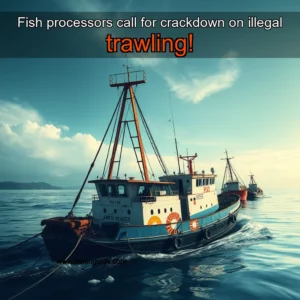
The main challenge facing the seafood industry is not the lack of fish, but rather the unsustainable practices that are driving overfishing and depleting fish stocks. Overfishing, in particular, is a major concern, as it can lead to the collapse of entire ecosystems. Overfishing can occur when fishing vessels target specific species or fish populations at a rate faster than they can replenish themselves. This can be due to various factors, including:
* **High demand:** The increasing global demand for seafood, driven by population growth and rising incomes, puts pressure on fish stocks. * **Inadequate fishing regulations:** Weak or poorly enforced regulations can allow overfishing to occur unchecked.
The FAO’s recommendations for sustainable seafood production are based on a multi-faceted approach that includes:
1. **Reducing the pressure on wild fish stocks:** This involves implementing fishing quotas, establishing marine protected areas, and promoting responsible fishing practices. 2. **Improving aquaculture practices:** This includes adopting sustainable feed sources, minimizing waste, and reducing the environmental impact of fish farming. 3. **Promoting sustainable fishing gear:** This involves using gear that minimizes bycatch and reduces the impact on marine ecosystems. 4. **Enhancing consumer awareness:** This involves educating consumers about the importance of sustainable seafood choices and the environmental and social impacts of their consumption. 5.
* **Shrimp farming:** A major contributor to mangrove deforestation. * **Mangrove forests:** Important carbon sinks, vital for coastal protection. * **Industry stakeholders:** Exploring new approaches to restore mangroves. * **Wild fishing:** Environmental problems associated with unsustainable practices. **Detailed Text:**
The impact of human activities on the delicate balance of our planet’s ecosystems is undeniable. One such impact, particularly concerning mangrove forests, is the rise of shrimp farming.
* **Overfishing:** The use of fish meal in aquaculture contributes to overfishing, as it relies on a finite resource. * **Pollution:** The processing of fish meal generates waste that can pollute waterways and harm marine ecosystems. * **Greenhouse gas emissions:** The production of fish meal contributes to greenhouse gas emissions, exacerbating climate change. The use of fish meal in aquaculture is a complex issue with both benefits and drawbacks. While it can provide a nutritional boost for farmed fish, its environmental impact is undeniable.