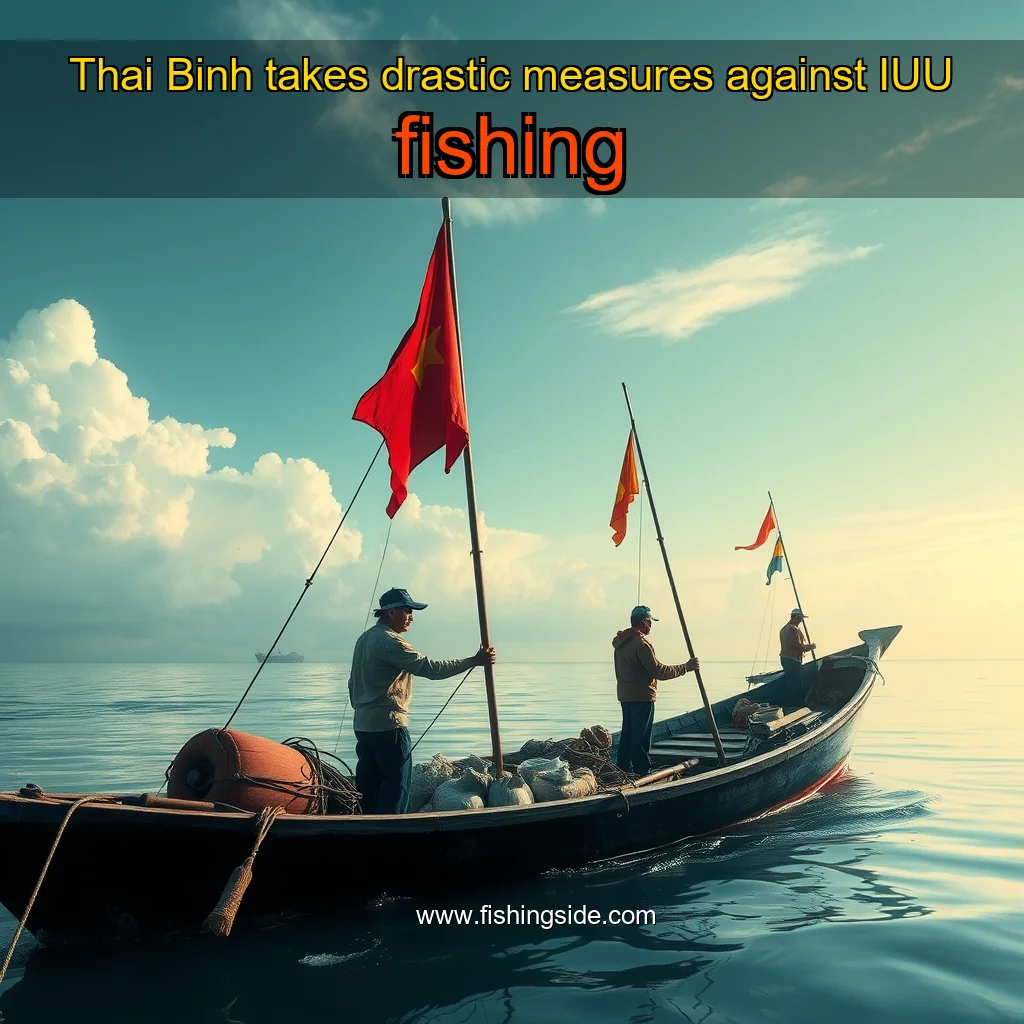
The Context of IUU Fishing in Vietnam
Vietnam has long been plagued by IUU fishing, which has severe consequences for the country’s marine ecosystem and economy. IUU fishing involves fishing practices that disregard national laws and regulations, often resulting in the depletion of fish stocks and damage to the environment. The EC’s “yellow card” warning has been a significant concern for Vietnam, as it threatens to restrict the country’s seafood exports to the EU market.
The Measures Implemented by Thai Binh Province
Thai Binh Province has taken a proactive approach to addressing IUU fishing in its waters. The province has established a dedicated IUU fishing enforcement unit, which is responsible for monitoring and enforcing fishing activities. The unit is equipped with advanced technology, including drones and satellite imaging, to detect and track IUU fishing vessels. Key measures implemented by Thai Binh Province include: + Establishing a network of marine surveillance cameras to monitor fishing activities + Conducting regular patrols of fishing vessels to detect IUU fishing practices + Collaborating with neighboring provinces to share intelligence and best practices + Providing training and capacity-building programs for local fishermen and law enforcement officials
The Impact of the Measures
The measures implemented by Thai Binh Province have had a significant impact on reducing IUU fishing in the province.
The station’s efforts have led to a significant reduction in smuggling and illegal activities.
The Rise of Anti-Smuggling Efforts in Thai Binh Province
Thai Binh province, a region in northern Vietnam, has been at the forefront of anti-smuggling efforts in recent years. The province’s strategic location, bordering the Gulf of Tonkin and the Red River Delta, makes it a critical hub for trade and commerce. However, this also presents a challenge for authorities, as the region’s porous borders and extensive waterways provide ample opportunities for smugglers to operate undetected.
The Importance of Riverine Security
The province’s reliance on riverine trade has made riverine security a top priority. The Thai Binh station has taken proactive measures to address this concern, deploying personnel and resources to establish checkpoints at river mouths. These checkpoints are designed to inspect vessels entering and leaving ports, ensuring that all cargo is properly documented and compliant with regulations. Key features of the checkpoint system: + Regular inspections of vessels + Strict enforcement of documentation requirements + Legal penalties for vessels attempting to evade inspections
The Impact of Anti-Smuggling Efforts
The Thai Binh station’s efforts have had a significant impact on reducing smuggling and illegal activities in the region. By establishing a robust checkpoint system, the station has been able to detect and prevent many smuggling attempts.
The Importance of Vessel Monitoring Systems (VMS) in the Fishing Industry
The use of VMS in the fishing industry has become a crucial aspect of ensuring the sustainability and safety of the sector. VMS is a tracking system that allows fishermen to monitor their vessels’ location, speed, and other parameters in real-time. This technology has revolutionized the way fishermen operate, providing them with valuable insights into their fishing activities.
Benefits of VMS for Fishermen
Unlicensed vessels threaten Vietnam’s fisheries and the environment.
The “Three-Nos” Vessels: A Threat to Vietnam’s Fisheries
The “three-nos” vessels, also known as “three-no-go” vessels, refer to fishing vessels that do not meet the minimum requirements set by the Vietnamese government. These vessels are often used by fishermen who are not licensed or do not have the necessary permits to operate in certain areas. The “three-nos” vessels pose a significant threat to Vietnam’s fisheries, as they can lead to overfishing, habitat destruction, and the depletion of fish stocks.
The Impact of “Three-Nos” Vessels on the Environment
With these proactive measures, Thai Binh is committed to strengthening compliance with fishing regulations and ensuring sustainable fishing practices in the province./.