
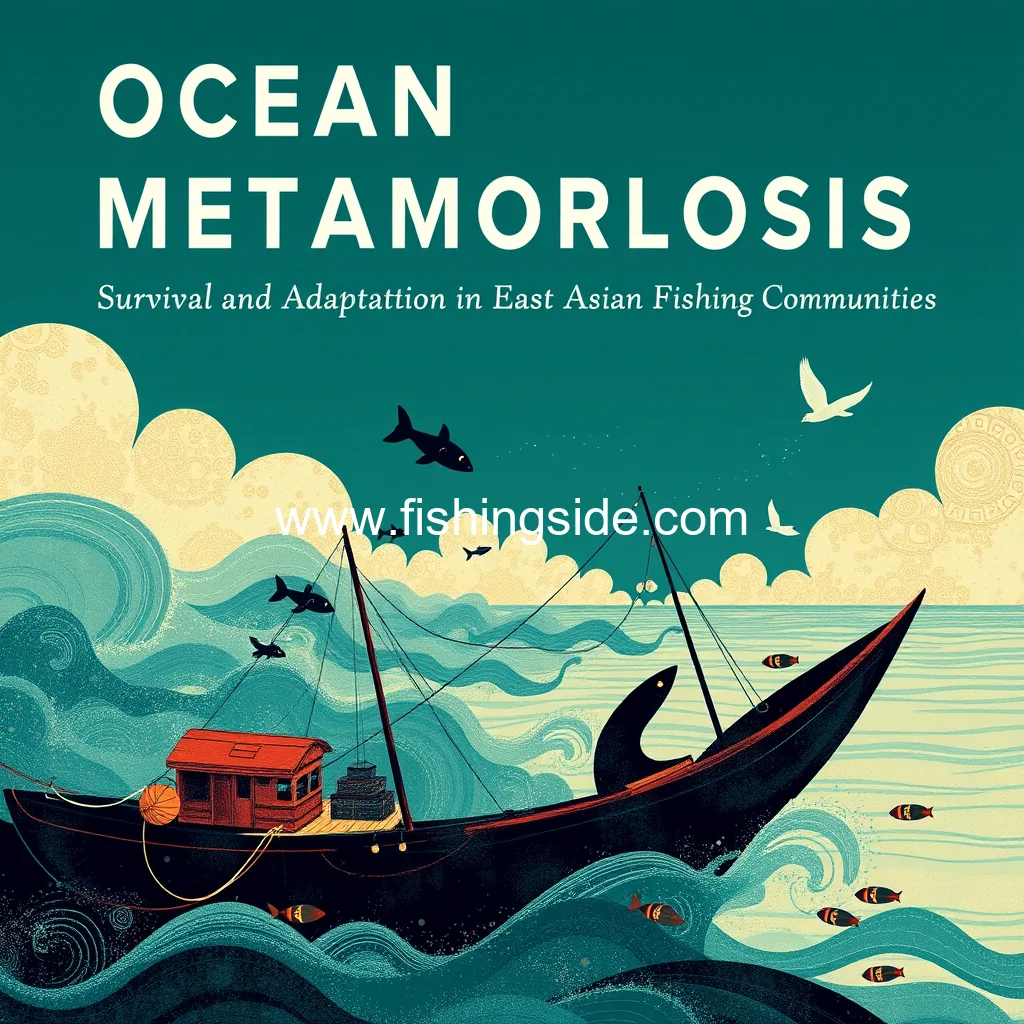
The Impact of Rising Temperatures on East Asia
The region of East Asia, encompassing countries such as China, Japan, and Korea, has experienced a significant increase in temperatures over the past century. According to recent studies, the average temperature in this region has risen by 1.9°C, surpassing global averages. This rapid warming has far-reaching consequences for the environment, economies, and communities.
The Effects on Traditional Fishing Grounds
One of the most notable impacts of rising temperatures on East Asia is the transformation of traditional fishing grounds. As the ocean warms, coral reefs and marine ecosystems are shifting northward, forcing communities to adapt to new fishing grounds. This shift has significant economic implications for fishing communities, which rely heavily on these traditional grounds for their livelihood. Some of the key effects of warming waters on traditional fishing grounds include: + Changes in fish populations and distributions + Shifts in the timing of seasonal events, such as spawning and migration + Increased risk of marine heatwaves and coral bleaching + Loss of biodiversity and ecosystem resilience
Reimagining Economic Survival Strategies
As traditional fishing grounds disappear, communities in East Asia are forced to reinvent their economic survival strategies. This can involve diversifying into new industries, such as aquaculture or tourism, or exploring alternative sources of income.
The Struggle is Real
Local fishermen in the northern waters of Korea face a multitude of challenges that make their livelihoods precarious. The cost of fuel, in particular, is a significant burden. With fuel costs reaching as high as 1 million won ($730) per fishing trip, it’s no wonder that many fishermen struggle to make ends meet. The financial strain is compounded by the fact that the fishing industry is already a high-risk, low-reward sector. The fishing industry is known for its unpredictability, with factors such as weather, ocean currents, and fish populations all playing a role in determining the success of a fishing trip. Additionally, the industry is heavily regulated, with quotas and permits in place to manage fish populations and prevent overfishing. These regulations can be costly and time-consuming to navigate, adding to the financial burden on fishermen.
A New Opportunity Emerges
Despite the challenges, there is a glimmer of hope on the horizon.
The Impact of Foreign Labor on Traditional Maritime Communities
The traditional maritime communities, which have long been the backbone of coastal economies, are undergoing a significant transformation. The influx of foreign workers has become a pressing issue, as it has far-reaching consequences for the communities, the environment, and the fishing industries.
The Rise of Foreign Labor
Foreign workers are increasingly filling labor gaps in the fishing industries, which has led to a significant shift in the demographics of traditional maritime communities.


