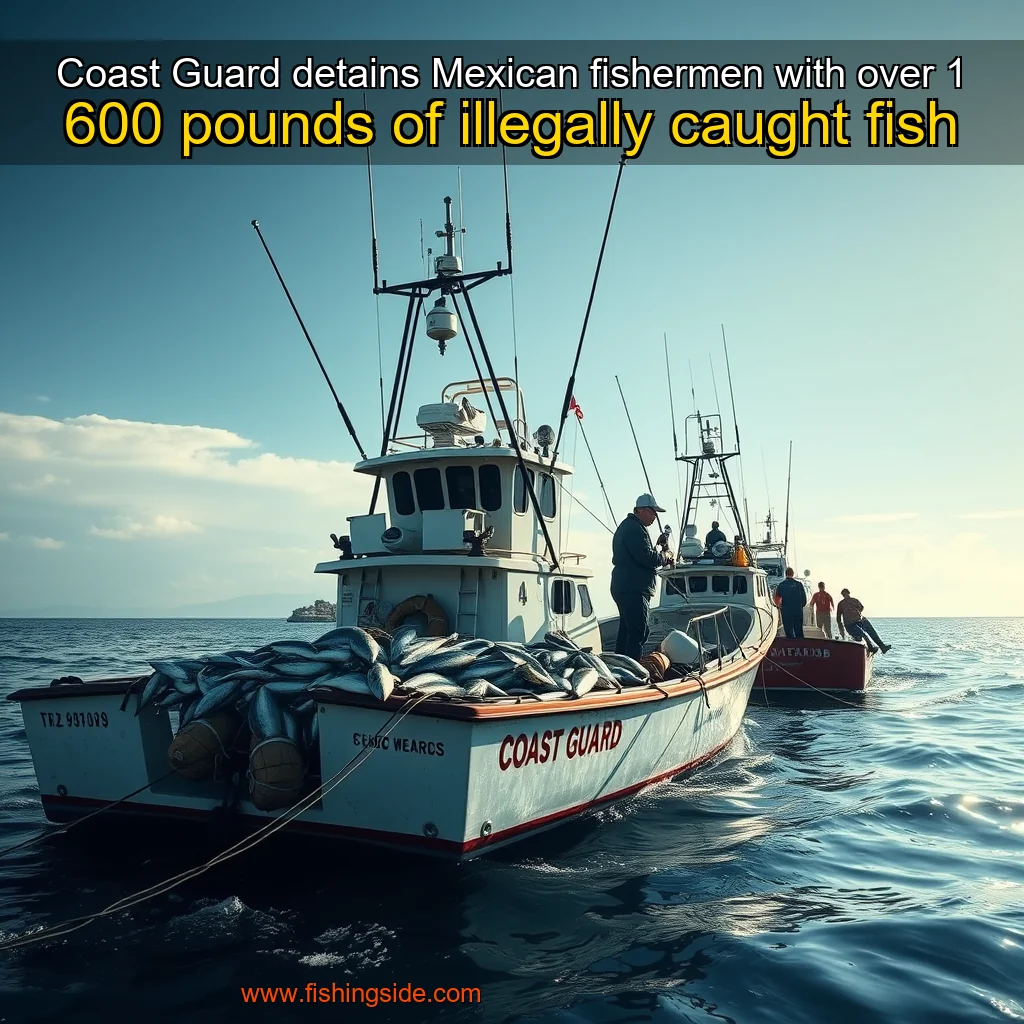
Mexican fishing vessel seized for illegal red snapper catch in federal waters off southern Texas.
The incident occurred on May 5, 2023, at approximately 10:30 AM CDT.
The Incident
The U.S. Coast Guard intercepted the Mexican fishing vessel, which was operating in federal waters off southern Texas. The Coast Guard’s law enforcement division was alerted to the vessel’s presence after receiving a report from a local fishing boat. The Coast Guard’s primary concern was to ensure that the vessel was not engaging in illegal fishing activities.
The Seized Fish
The Coast Guard seized approximately 1,600 pounds of red snapper, which is a protected species under the Magnuson-Stevens Fishery Conservation and Management Act. The act prohibits the catching of red snapper in federal waters, except for limited permits issued by the National Oceanic and Atmospheric Administration (NOAA). The seized fish were valued at an estimated $1.2 million. The red snapper were caught using a combination of fishing gear, including trawls and longlines. The Coast Guard also seized nine sharks, which were caught using a variety of fishing methods. The sharks were valued at an estimated $50,000.
The Investigation
The U.S. Coast Guard launched an investigation into the incident, which is ongoing. The investigation is focused on determining the extent of the vessel’s illegal fishing activities and identifying the individuals responsible. The Coast Guard is reviewing the vessel’s fishing logs and other documentation to determine the scope of the vessel’s operations. The Coast Guard is also conducting interviews with the vessel’s crew members to gather more information about the incident.
Smuggling Boats Pose Growing Threat to U.S.
The Rise of Lanchas in U.S. Waters
Lanchas, small, flat-bottomed boats, have become a significant concern for U.S. authorities in recent years. These vessels, often used for fishing, have also been employed for illicit activities, including the transportation of illegal narcotics into the country. The Coast Guard has been actively involved in intercepting lanchas in federal waters, highlighting the growing threat posed by these boats.
The Illicit Use of Lanchas
Lanchas have been used to smuggle large quantities of narcotics into the United States. These boats are often equipped with sophisticated navigation systems and can travel long distances without being detected. The Coast Guard has reported encountering lanchas in federal waters, where they have seized significant amounts of contraband, including cocaine, heroin, and marijuana.
The Arrests and Aftermath
The arrests of the 11 fishermen were a significant development in the ongoing efforts to combat illegal fishing and human trafficking in the region. The incident highlights the importance of cooperation between law enforcement agencies and the need for continued vigilance in monitoring and addressing these crimes. Key points from the statement: + The Coast Guard will not back down from its efforts to combat illegal fishing and trafficking. + The arrests demonstrate the effectiveness of the Coast Guard’s operations in addressing these crimes. + The incident underscores the importance of cooperation between law enforcement agencies. The arrests were made after a thorough investigation by the Coast Guard, which involved monitoring the fishing vessels and gathering evidence of their involvement in illegal activities. The investigation revealed that the fishermen were not only involved in fishing but also in human trafficking, which is a serious crime that involves the exploitation of individuals for labor or sex.
The Investigation and Evidence
The investigation was conducted by a team of Coast Guard personnel, who worked closely with other law enforcement agencies to gather evidence and build a case against the fishermen. The evidence collected during the investigation included: