
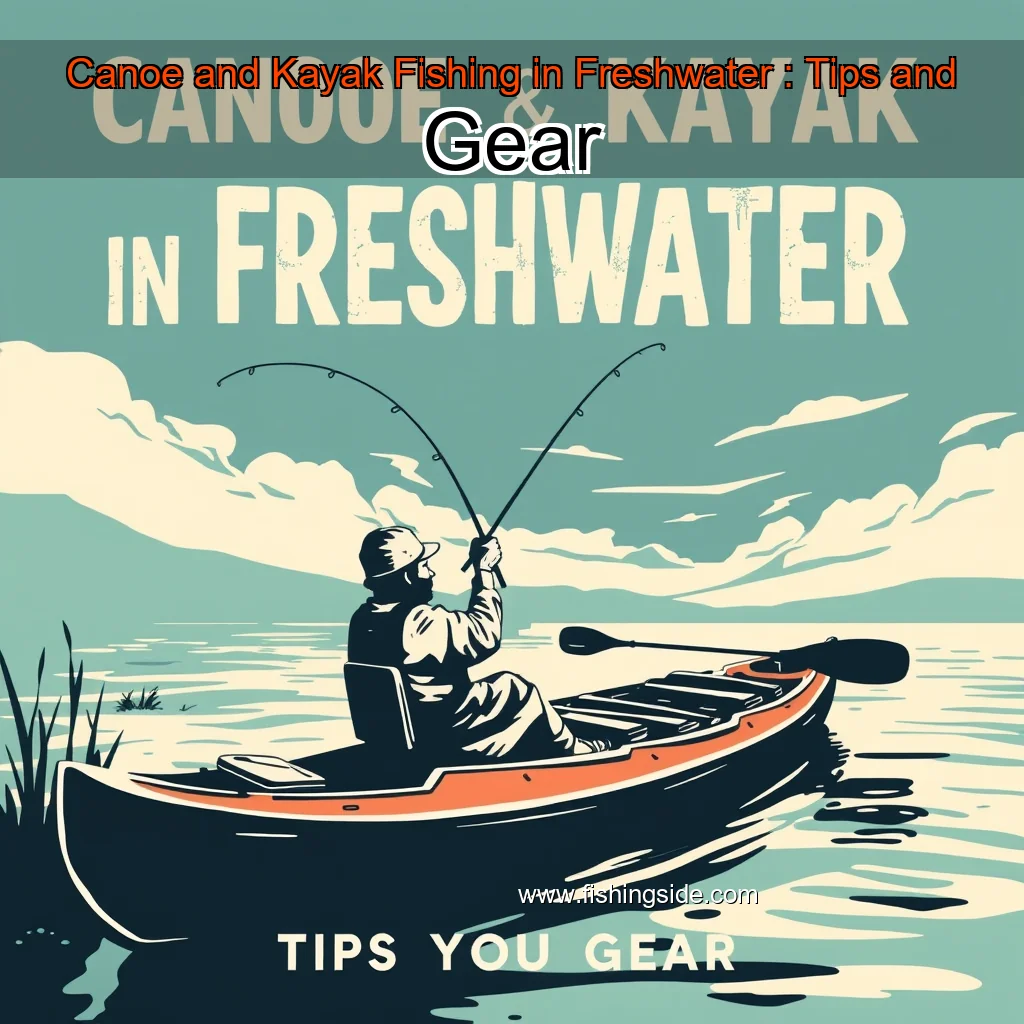
This proximity enables anglers to observe their surroundings, notice subtle changes in the water, and even spot fish feeding or schooling.
The Benefits of Paddling a Canoe or Kayak for Anglers
Paddling a canoe or kayak offers a unique and immersive experience for anglers. By getting closer to nature, anglers can connect with the environment and develop a deeper appreciation for the natural world.
Kayaks, on the other hand, are more maneuverable and provide a more intimate experience for solo paddlers.
Types of Canoes and Kayaks
Inflatable Canoes and Kayaks
Inflatable canoes and kayaks have gained popularity in recent years due to their portability and ease of use. These types of boats are made from durable, puncture-resistant materials and can be easily deflated and stored in small spaces.
Types of Kayaks for Fishing
Kayaks come in various shapes and sizes, each designed for specific fishing styles and preferences. Understanding the differences between sit-on-top and sit-in kayaks is crucial for choosing the right kayak for your fishing needs.
Sit-on-Top Kayaks
Sit-on-top kayaks are popular among anglers due to their stability and open cockpit. This design allows for easy access to the water and provides a clear view of the surroundings. Key features of sit-on-top kayaks include:
Sit-in Kayaks
Sit-in kayaks, on the other hand, offer better protection from the elements and can be ideal in colder climates. Key features of sit-in kayaks include:
A first aid kit is essential for treating injuries and preventing infections. A fishing net can be used to land fish and protect the environment.
The Importance of Bringing Essential Gear on a Fishing Trip
When planning a fishing trip, it’s easy to get caught up in the excitement of the adventure and forget the most crucial elements. However, bringing the right gear can make all the difference between a successful and enjoyable trip.
Safety First
A well-fitted Personal Flotation Device (PFD) is a must-have for any fishing trip. A PFD ensures that you stay afloat in case you fall into the water, which is a common occurrence, especially for beginners. According to the U.S. Coast Guard, wearing a PFD can reduce the risk of drowning by up to 87%. This is especially important for children, seniors, and people with certain medical conditions. A PFD should be Coast Guard-approved and fit properly to ensure maximum safety. It’s also essential to check the PFD regularly to ensure it’s in good condition and properly maintained.*
Navigation and Marking Hotspots
A GPS device can be a valuable tool for navigating the water and marking hotspots for future fishing trips. With a GPS, you can:
Preparing for a Successful Fishing Trip
Before embarking on a fishing trip, it’s essential to prepare thoroughly to ensure a successful and enjoyable experience. This involves several key steps that can make a significant difference in the outcome of your fishing adventure.
Understanding Your Fishing Location
Researching your chosen fishing location is crucial before heading out. This includes checking local fish stocking reports to determine which species are present and in what quantities. Familiarizing yourself with the local freshwater species will help you choose the right tackle and bait, increasing your chances of catching fish. Some popular freshwater species include:
- Largemouth bass
- Smallmouth bass
- Walleye
- Northern pike
- Panfish (such as bluegill and sunfish)
- Weather Conditions: Be prepared for changing weather conditions, such as rain or wind, which can impact the quality of your shots. Water Conditions: If you’re shooting near water, be aware of the currents, tides, and water levels, which can affect the stability of your equipment and the safety of your subjects.
Preserving Your Catch
Once you’ve caught a fish, it’s essential to preserve it properly to maintain its quality and freshness.
Preparing for a Low-Angle Photography Session
When it comes to capturing stunning low-angle shots, preparation is key. Before you head out to your location, consider the following factors to ensure a successful and enjoyable photography session.


