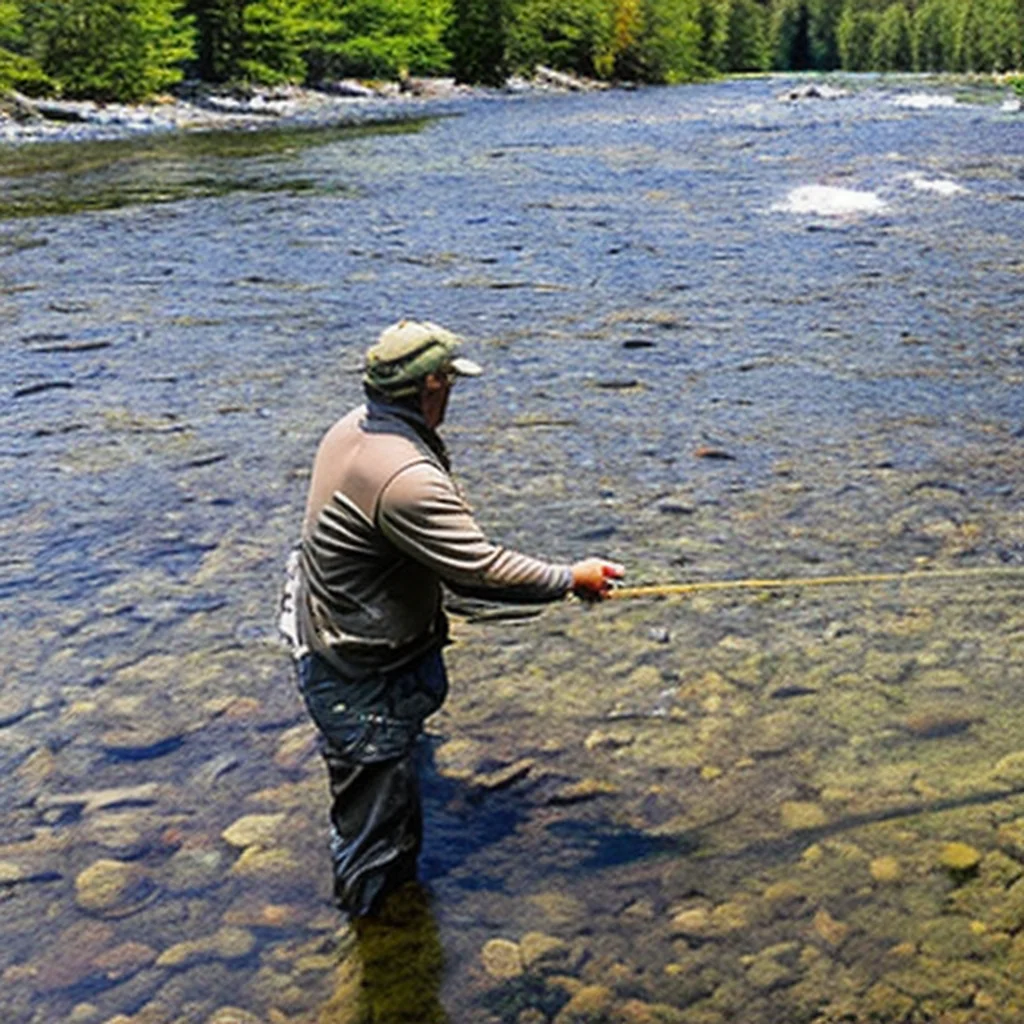
Scott’s passion for the sport is deeply rooted in her childhood memories of fishing with her father. She learned the art of fly fishing from him, and the bond they shared over the river was a source of immense joy and connection. She believes that fishing is more than just a hobby; it’s a way of life. “It’s about connecting with nature, with the river, with the fish,” she says.
The Blackfoot River, a vital waterway for both wildlife and humans, is facing a severe drought. The drought has led to a drastic reduction in water levels, impacting the fishing industry and raising concerns about the future of the river. The Blackfoot River, a tributary of the Missouri River, is a renowned fly fishing destination. It’s known for its pristine waters and abundant trout populations.
This shift in fishing practices is a direct response to the effects of climate change. The warming waters of the Missouri River, coupled with the changing precipitation patterns, have significantly impacted the timing of fish spawning and migration. These changes have disrupted the traditional patterns of fish populations and their interactions with anglers. The impact of climate change on fishing is not limited to the Missouri River. It is a widespread phenomenon affecting various rivers and lakes across the state. The warming waters of the state’s rivers and lakes are impacting the distribution and abundance of fish species, altering the timing of their spawning and migration, and even affecting the behavior of fish.
The importance of cold water for trout is well-documented. Trout are cold-water fish, and their survival depends on maintaining a cold, clear, and oxygen-rich environment. Trout are highly sensitive to temperature changes, and even small fluctuations can have a significant impact on their health and survival.
The warming waters are causing a decline in trout populations, impacting the northern Rockies’ ecosystem. The warming trend is also affecting the timing of the snowmelt, which is crucial for the rivers and streams that support trout populations. The earlier snowmelt is causing a shorter, less predictable flow of water, impacting the fish’s ability to reproduce and survive.
The state’s water quality is threatened by pollution from agricultural runoff, industrial waste, and urban development. This pollution, in turn, impacts the health of native fish species, leading to declines in populations and even extinction. The decline of native fish populations in Montana is a complex issue with multiple contributing factors.
Maintaining and improving fish habitat is crucial for the health of aquatic ecosystems. This involves a variety of strategies, including habitat restoration, water quality improvement, and managing invasive species. One key aspect of habitat management is giving trout room to move. This involves removing obstacles that impede their movement and ensuring that they have access to diverse habitats.
“We were surprised to see that fish were able to access the pool and use it as a habitat.”
This observation is significant because it demonstrates the positive impact of dam removal on fish populations. It highlights the importance of restoring natural flow and habitat connectivity for aquatic species. Dam removal can be a powerful tool for improving water quality, reducing erosion, and enhancing biodiversity. The study by Colyer and Brissette, published in the Journal of Wildlife Management, provides evidence that dam removal can have a positive impact on fish populations.