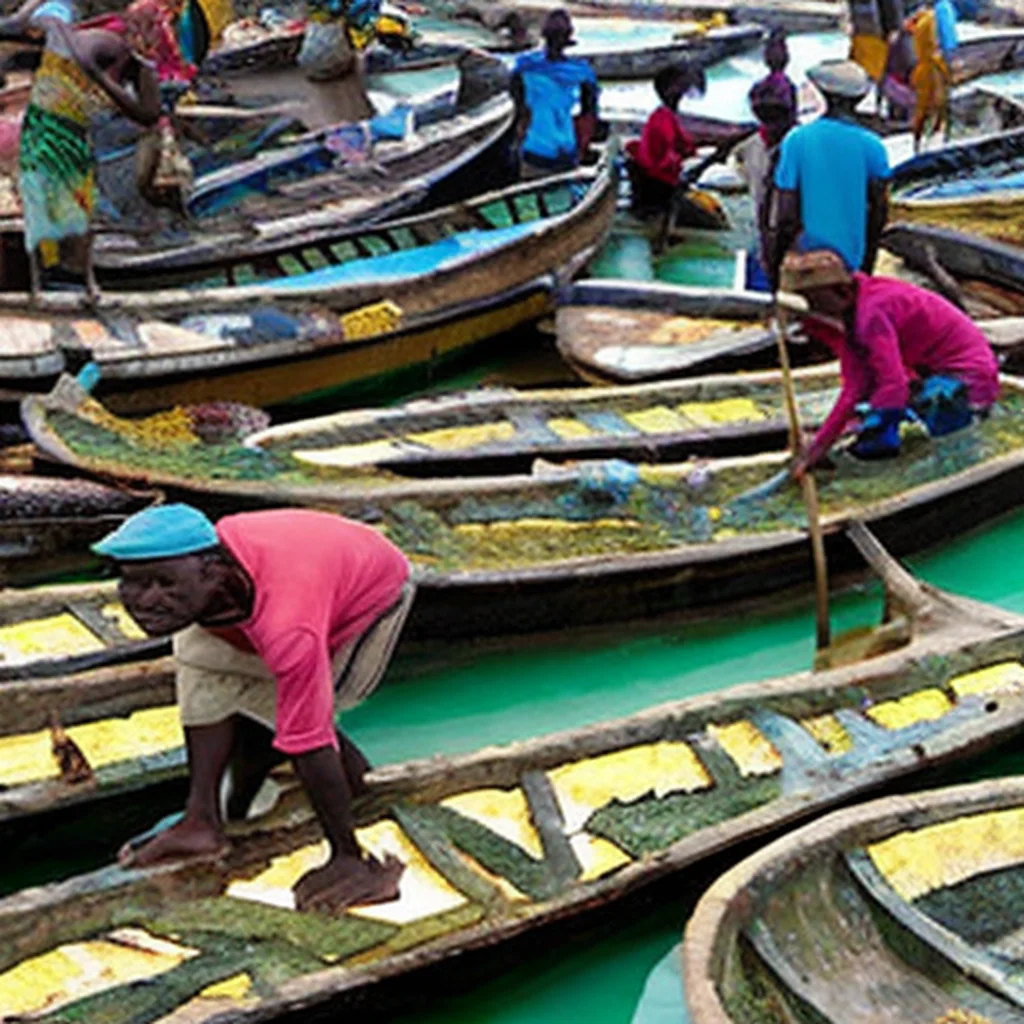
These communities rely heavily on fishing for their livelihoods, and the decline in fish stocks has led to economic hardship and social unrest. The report highlights the importance of integrating social protection measures into fisheries management policies. Social protection measures, such as safety nets, unemployment benefits, and social insurance, can help mitigate the economic hardship caused by declining fish stocks. These measures can provide a buffer for communities and households facing job losses and income reductions. Furthermore, the report emphasizes the need for sustainable fishing practices.
The report highlights the need for a more nuanced approach to fisheries management, one that considers the socio-economic realities of the communities it impacts. This approach should prioritize the development of alternative livelihood options for fishers, alongside the implementation of sustainable fishing practices. The World Bank’s 2024 report also emphasizes the importance of strengthening the governance and regulatory frameworks for fisheries management. This includes ensuring transparency and accountability in decision-making processes, as well as promoting equitable access to resources and benefits.
This collaboration is crucial for developing effective social protection programs that are tailored to the needs of coastal communities and the realities of the fisheries sector. The report highlights the case studies of Bangladesh, Indonesia, and Vietnam as examples of successful integration of social protection with fisheries management. These countries have implemented various programs that address poverty, food security, and livelihood diversification.
This approach, often referred to as “social-ecological systems” (SES), recognizes the interconnectedness of human and natural systems, emphasizing the need for collaborative management and equitable distribution of benefits. **Social protection measures** can include various initiatives like social insurance, safety nets, and access to education and healthcare. These measures aim to reduce poverty and vulnerability, empowering individuals and communities to participate in sustainable fishing practices.