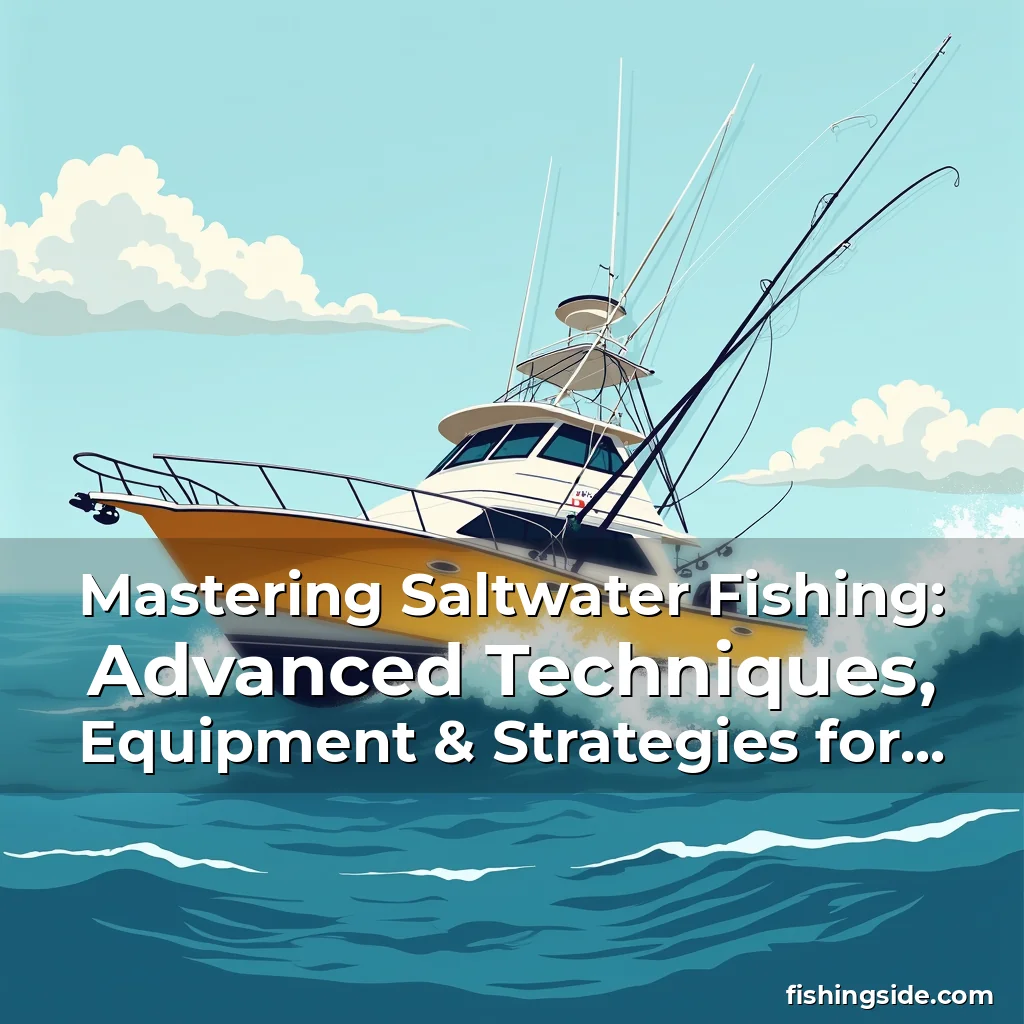
Mastering Saltwater Fishing: Advanced Techniques, Equipment & Strategies for Coastal Anglers
Saltwater fishing is a dynamic pursuit that combines skill, strategy, and respect for the ocean’s unpredictable nature. Unlike its freshwater counterpart, saltwater angling demands specialized knowledge of marine ecosystems, tidal movements, and the behavior of predatory species lurking beneath the waves. Whether you’re chasing trophy tunas off the coast of Florida or battling giant tarpon in the shallows of the Gulf Stream, success hinges on preparation, adaptability, and a deep connection to your environment.
This guide delves into the intricacies of saltwater fishing, offering insights tailored for experienced anglers seeking to refine their craft. From selecting the perfect gear to mastering high-stakes offshore tactics, we’ll explore every facet of coastal angling—from safety protocols to ethical practices that preserve our oceans for future generations.
The Essential Gear Every Saltwater Angler Needs
Fishing in saltwater requires equipment designed to withstand harsh conditions and handle powerful marine predators. A sturdy rod with a high-test line rating is crucial for landing large gamefish, while corrosion-resistant hardware ensures durability against seawater exposure. Spooling your reel with braided line provides superior strength-to-diameter ratios, allowing for precise casts and better sensitivity when detecting subtle strikes.
Choosing the right lure or bait depends heavily on target species and environmental factors. Artificial baits like crankbaits, soft plastics, and metal jigs mimic prey movement convincingly, while natural offerings such as live shrimp or squid prove irresistible to finicky feeders. Accessories like waterproof tackle boxes, UV-treated leader material, and gaff hooks complete the toolkit necessary for serious saltwater pursuits.
- Rod Selection: Heavy-action spinning rods excel for surfcasting, while medium-heavy casting rods offer versatility across various techniques.
- Reel Durability: Look for sealed bearings and stainless steel components to resist rust and maintain smooth operation even after prolonged immersion in brackish water.
Understanding Tidal Patterns and Currents
Tides play a pivotal role in determining where and when fish congregate. Incoming tides bring nutrients and food sources closer to shorelines, attracting smaller baitfish which in turn draw larger predators. Conversely, outgoing currents often reveal hidden structures and drop-offs where ambush hunters lie in wait. Monitoring tide charts before heading out can dramatically increase your chances of encountering active fish populations.
Current speed and direction influence both lure presentation and hook-setting effectiveness. Stronger flows require heavier weights or additional sinkers to keep presentations near the seabed, whereas slack periods allow for slower retrieves that imitate injured prey drifting along the bottom. Learning how to read surface ripples caused by subsurface movement can provide invaluable clues about potential hotspots.
Seasonal Variations in Fish Behavior
Different species exhibit distinct migration patterns tied closely to temperature changes and breeding cycles. Spring months typically see increased spawning activity among striped bass and Spanish mackerel, making them prime targets during warm-water transitions. Summer brings bluefin tuna into temperate zones following their northward journey toward cooler waters, while autumn signals the arrival of winter flounder seeking sheltered coves ahead of colder fronts.
Environmental shifts also dictate feeding behaviors; many pelagic species become hyperactive post-rainfall events due to oxygen level fluctuations altering prey availability. Recognizing these temporal windows enables anglers to optimize timing rather than merely relying on fixed locations alone.
Advanced Casting Techniques for Maximum Reach
Mastery over distance casting becomes increasingly important when pursuing offshore opportunities or working expansive beachfronts. Developing a consistent forward roll motion combined with full-body rotation generates greater power behind each cast. Practicing at home with lighter setups builds muscle memory required for executing longer throws without compromising accuracy.
Casting angles relative to wind direction significantly impact performance outcomes. When facing crosswinds, adopting sidearm or low-angle deliveries reduces drag resistance while still achieving desired yardage. Utilizing weighted lures with built-in tungsten cores further extends casting capabilities by minimizing air resistance during flight phases.
Strategies for Targeting Specific Species
Each type of saltwater fish responds uniquely to different approaches, necessitating customized strategies aligned with their habitat preferences and dietary habits. Predatory billfish thrive in open waters where visibility permits long-distance sight feeding, requiring fast-moving surface lures or kite systems to provoke aggressive responses. In contrast, reef-associated snappers prefer structured environments offering cover and ambush opportunities.
Bottom dwellers like grouper benefit most from vertical jigging presentations that simulate struggling prey near rock formations. Employing fluorocarbon leaders minimizes visibility concerns since these fish possess highly developed eyesight adapted for discerning fine details amidst dimly lit surroundings.
Dealing With Common Challenges Encountered Offshore
Encounters with strong winds pose significant obstacles during extended charters away from protected bays. Adjustments such as reducing spool tension slightly when retrieving retrieves or utilizing dropper loops attached to heavy lead weights assist in managing sudden gusts that may cause line slippage otherwise. Additionally, employing shock-absorbing features within the reel assembly helps mitigate abrupt jerking motions induced by turbulent sea states.
When dealing with entanglements involving kelp fronds or fishing nets, patience proves paramount. Slowly reeling up affected segments gradually disentangles knots without causing unnecessary stress on either gear or captured specimen. If unable to resolve independently, seeking assistance via VHF radio communication channels available aboard commercial vessels remains prudent course action.
Promoting Sustainable Practices Through Ethical Angling
Responsible angling plays a critical role in preserving biodiversity levels across global fisheries. Adhering to strict size limits imposed by regulatory bodies ensures reproductive maturity rates remain stable among impacted stocks. Implementing selective release policies whenever possible contributes positively towards population recovery efforts particularly relevant for endangered species classifications.
Proper handling procedures minimize physical trauma inflicted upon released individuals. Wet hands prior to touching gills areas prevent damage to sensitive tissues, while supporting body weight evenly distributes pressure preventing spinal injuries commonplace amongst improperly handled specimens. Always use pliers equipped with rubber grips when removing hooks situated deeply embedded within mouths regions.
Navigating Legal Frameworks Governing Marine Resources
Compliance with licensing prerequisites forms fundamental basis for legal participation within recreational fishing sectors. Regional differences mandate obtaining separate permits depending upon geographical jurisdiction being fished. Regular updates regarding quota restrictions or temporary bans issued annually deserve attention so as not inadvertently violate established rules governing resource management frameworks.
Participation in cooperative tagging programs operated jointly between governmental agencies and private entities aids scientific research initiatives aimed at monitoring stock health indicators. Voluntary contribution assists researchers gather data concerning growth patterns, age distribution metrics, and geographic spread trends instrumental shaping future conservation measures.
Enhancing Safety Measures During Extended Trips
Preparation entails equipping oneself adequately against unforeseen circumstances arising mid-voyage scenarios. Carrying redundant GPS devices alongside traditional paper maps serves dual purposes providing navigation reliability irrespective technological malfunctions occurring unexpectedly. Maintaining sufficient quantities of fresh drinking water coupled with non-perishable food supplies addresses hydration maintenance needs over multi-day excursions.
In case emergencies arise necessitating evacuation operations, possessing functioning satellite phones capable transmitting distress signals overrides limitations posed by cellular network coverage gaps prevalent remote coastal locales. Prearranged rescue coordination plans shared beforehand among crew members establishes clear chain command responsibilities enhancing situational awareness during crisis moments.
Conclusion
Saltwater fishing stands apart from conventional freshwater experiences owing primarily to its complexity dictated by ever-changing environmental variables impacting fish behavior dynamics continuously. Success derives not solely from technical proficiency demonstrated through accurate casts executed flawlessly but equally stems from cultivating profound understanding regarding ecological interdependencies sustaining aquatic lifeforms thriving within vast oceanic expanses.
To elevate your expertise beyond novice status requires ongoing commitment directed towards refining skills acquired progressively through repeated field applications. Engaging actively within local angling communities fosters exchange of knowledge facilitating collective advancement benefiting entire ecosystem preservation endeavors simultaneously pursued individually.