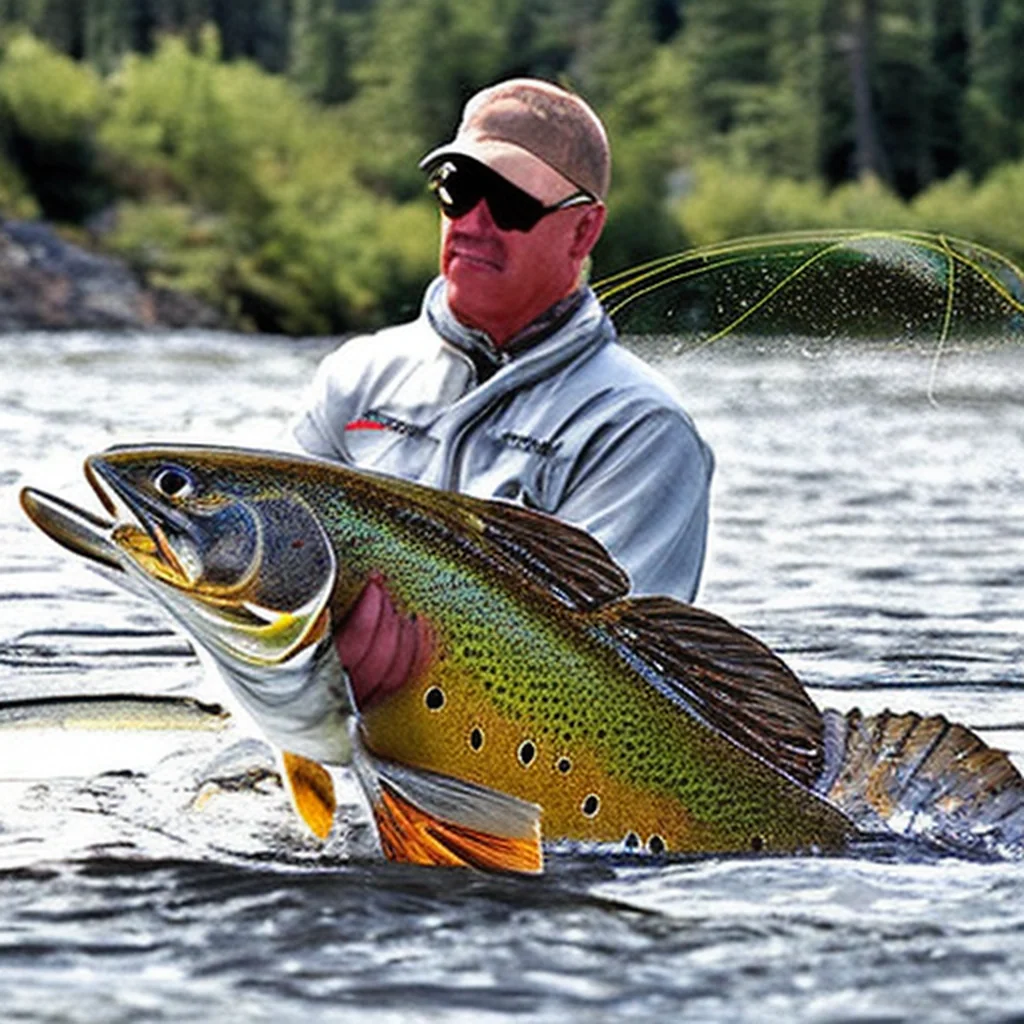
Scott’s passion for the sport is deeply rooted in her childhood. Growing up in a small town in Montana, she learned to fish from her grandfather, who instilled in her a love for the outdoors and a respect for the natural world. “He taught me how to identify different species of fish, how to read the water, and how to respect the environment,” Scott said. “He showed me that fishing is more than just catching fish; it’s about connecting with nature.”
Scott’s passion for fishing extends beyond her personal enjoyment. She is a dedicated conservationist, actively working to protect the rivers and streams of Montana.
The Blackfoot River, a vital waterway for both wildlife and humans, is facing a severe drought. The drought has had a significant impact on the river’s flow, leading to low water levels and impacting the livelihoods of those who depend on it. Fly fishing guides like Scott are seeing fewer fish, and the river’s ecosystem is struggling. The drought has also affected other parts of the state, with some areas experiencing record-breaking temperatures and others facing water shortages.
This shift in fishing practices is a direct response to the effects of climate change. The warming waters of the Missouri River have led to a decline in the populations of some of the species that guides rely on, such as trout. This decline has forced guides to adapt their strategies and find new ways to attract clients. The changing climate is also impacting the fishing industry in other ways. For example, earlier spring snowmelt has led to more frequent and intense floods, causing damage to infrastructure and impacting fishing access. Earlier spring snowmelt also leads to a more rapid increase in water temperatures, which can negatively impact fish populations.
Trout need cold water. This is a fundamental requirement for their survival. Trout are cold-water fish, and they thrive in environments with temperatures below 70 degrees Fahrenheit. Trout populations are declining globally, and this decline is largely attributed to habitat degradation and pollution.
The warming waters are causing a decline in the fish populations, impacting the northern Rockies ecosystem. The warming trend is also impacting the timing of the snowmelt, which is crucial for the water supply in the region. The earlier snowmelt is leading to a faster depletion of water resources, impacting the water supply for both humans and wildlife. The warming trend is also impacting the timing of the breeding season for many species of fish, amphibians, and reptiles. This shift in timing is disrupting the delicate balance of the ecosystem, leading to potential conflicts with other species and impacting the overall health of the climate. The warming trend is also impacting the distribution of species.
The state’s rivers and streams, once teeming with life, are now facing a growing threat from human activities. These activities include:
* **Dam construction:** Dams alter the natural flow of water, impacting fish migration patterns and spawning grounds. * **Pollution:** Industrial and agricultural runoff contaminates water sources, harming fish populations. * **Habitat destruction:** Urban sprawl and logging activities fragment and destroy fish habitats, reducing their populations. These threats are not isolated incidents. They are interconnected, creating a complex web of challenges for native fish species in Montana.
This can be a difficult decision, but it is often necessary to ensure the health and well-being of the trout population. For instance, dams and other structures can significantly impact the natural flow of water, leading to reduced oxygen levels and altered water temperatures. These factors can negatively affect the trout’s ability to thrive.
This observation is significant because it suggests that the removal of the dam had a positive impact on the fish population. The fish, which are primarily salmon, were able to access the pool upstream of the dam, a previously inaccessible area. This access to the pool allowed them to feed and thrive, leading to a healthier and more robust fish population.